Jodhpur Beyond the Blue City: A Traveller’s Guide to Rural Villages, Local Food and Traditional Crafts

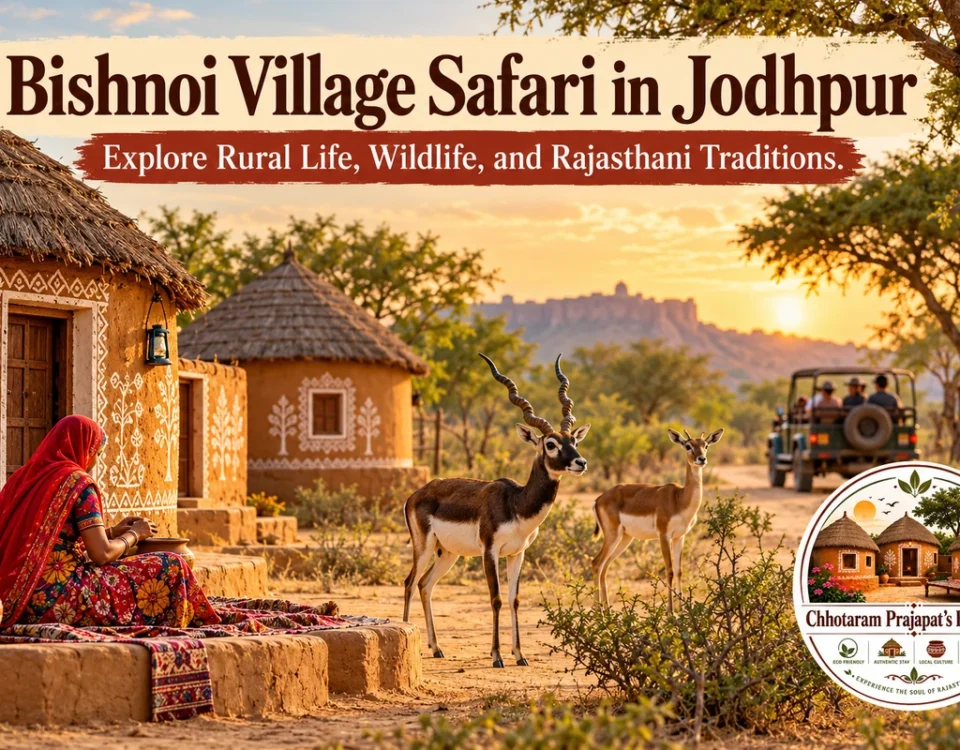
Bishnoi Village Safari in Jodhpur: Explore Rural Life, Wildlife, and Rajasthani Traditions
October 12, 2026
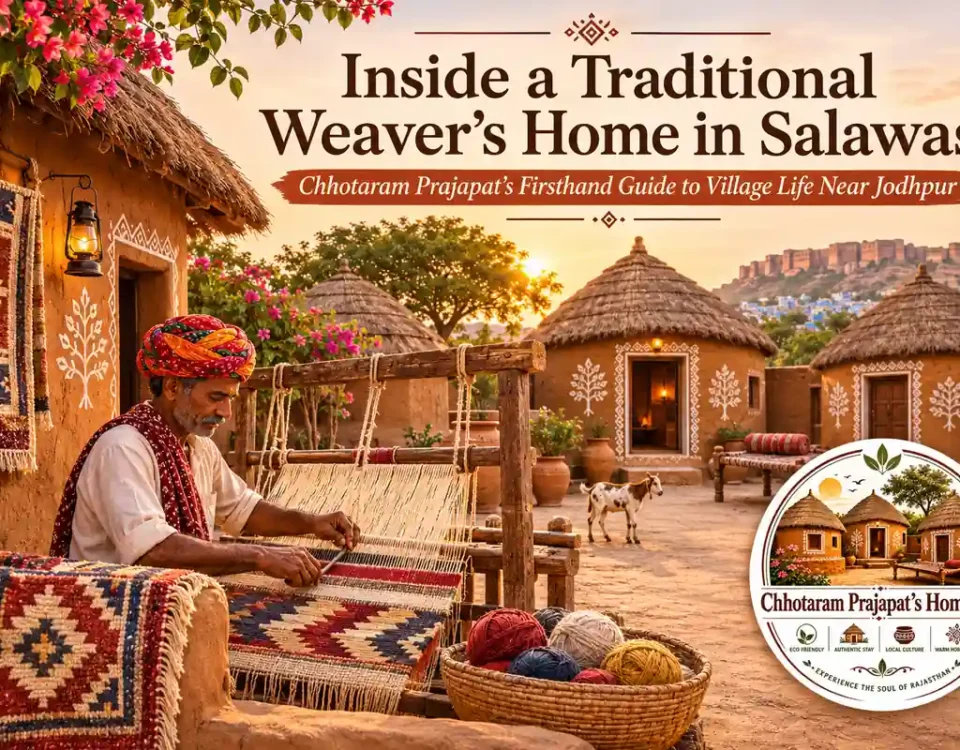
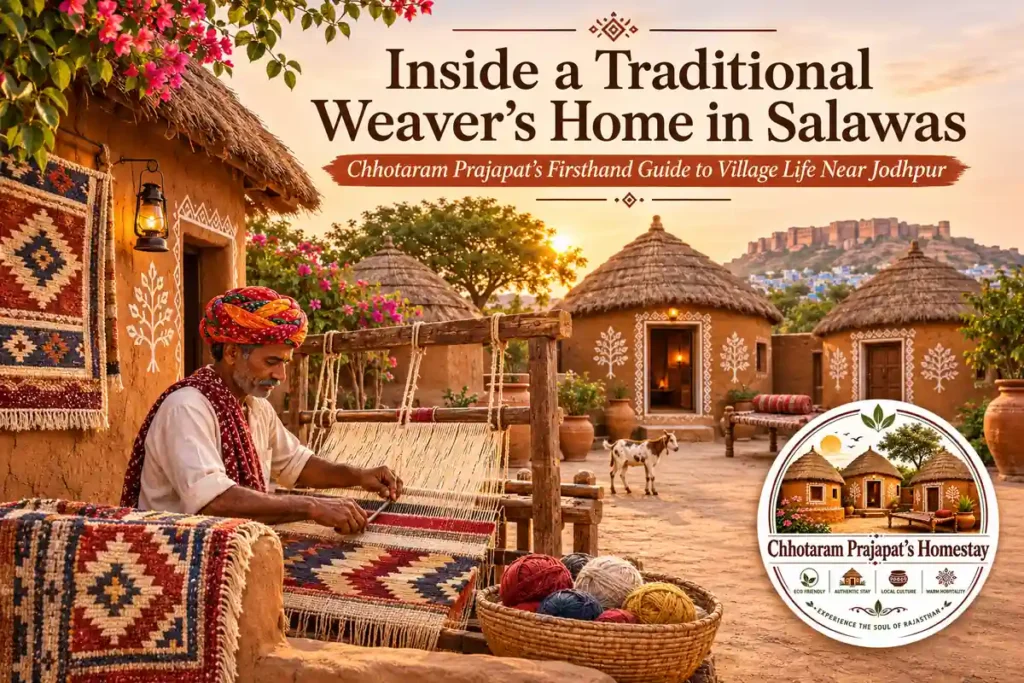
Inside a Traditional Weaver’s Home in Salawas: Chhotaram Prajapat’s Firsthand Guide to Village Life Near Jodhpur
November 19, 2026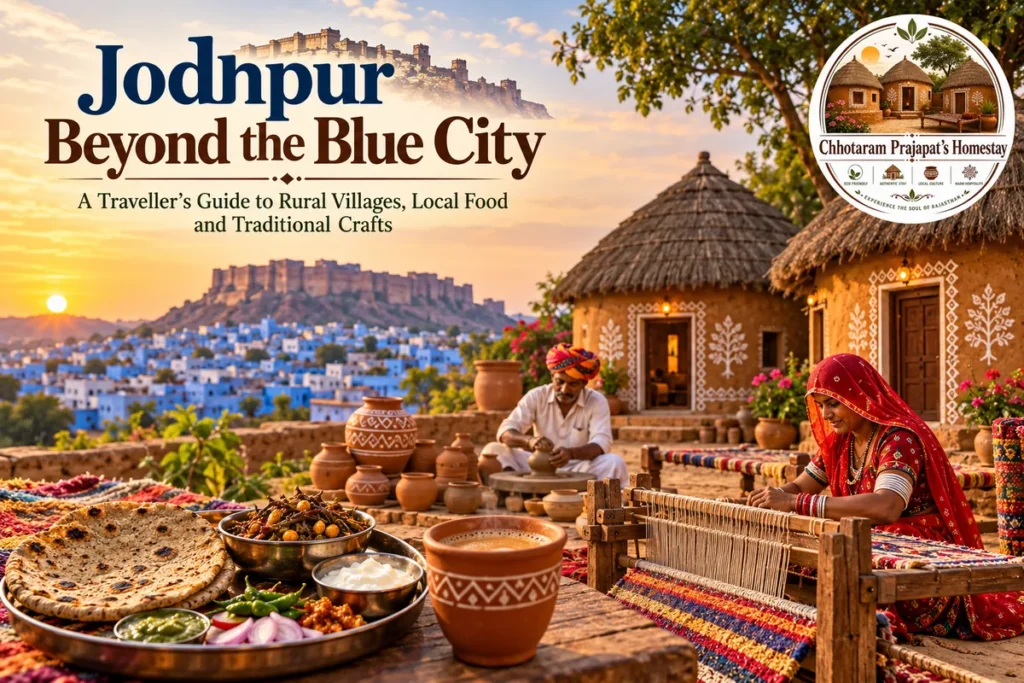
Jodhpur is famous for its blue-painted houses, magnificent Mehrangarh Fort, historic palaces, and colourful markets. These attractions are worth exploring, but they represent only one side of the city. Travel a short distance beyond the busy streets, and you will discover rural communities where traditional crafts, farming, local food, and everyday village life reveal another side of Rajasthan.
The villages surrounding Jodhpur offer travellers opportunities to meet local artisans, watch traditional weaving techniques, enjoy home-cooked Rajasthani meals, and experience the region’s cultural heritage.
For visitors interested in exploring Jodhpur beyond the Blue City, places such as Salawas and nearby Bishnoi villages provide an opportunity to understand how local communities live, work, and preserve their traditions.
This Jodhpur travel guide explores the countryside experiences worth considering, particularly for first-time visitors seeking something different from conventional sightseeing.
Why Explore the Rural Villages Near Jodhpur?
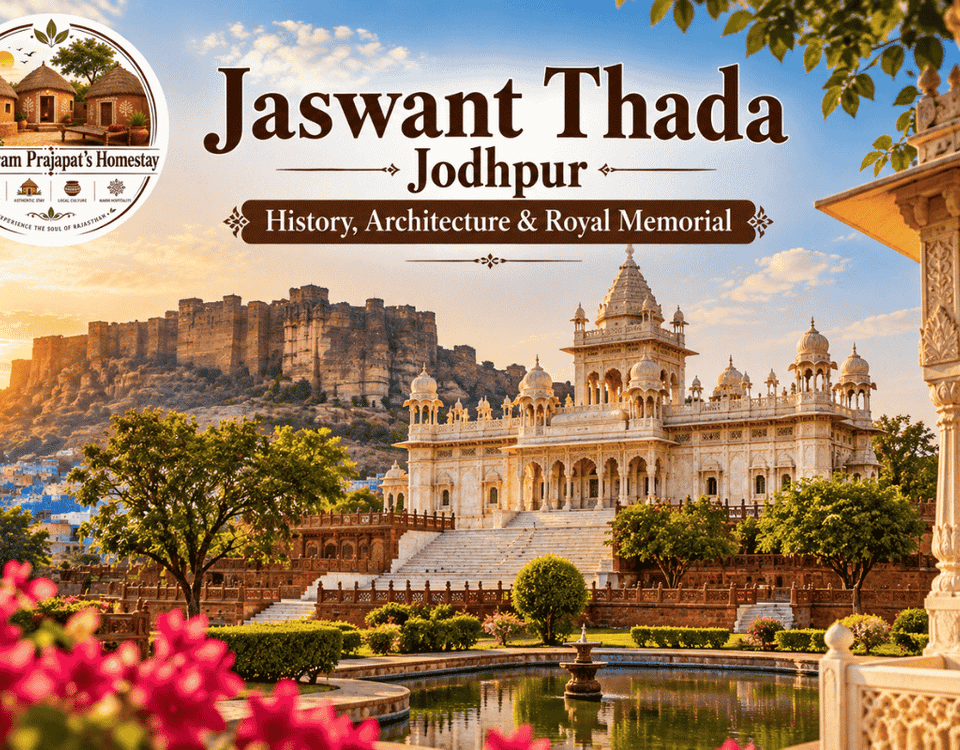
Most Jodhpur itineraries concentrate on Mehrangarh Fort, Jaswant Thada, Umaid Bhawan Palace, and the old city. However, rural Rajasthan offers experiences that historical monuments alone cannot provide.
In the villages, visitors can observe how traditional crafts remain part of everyday livelihoods, how families prepare regional meals, and how local communities have adapted to the challenging climate of western Rajasthan.
These experiences are not necessarily organised tourist performances. Many craftspeople continue working in family workshops, while farmers and villagers follow their daily routines.
Exploring the countryside with a knowledgeable local guide can help travellers understand these activities without disrupting village life.
Salawas Village: Discover Jodhpur’s Traditional Weaving Heritage
Located approximately 20–22 kilometres from Jodhpur, Salawas is one of the most interesting villages for travellers who appreciate traditional handicrafts and rural culture.
The village is particularly known for its handwoven dhurries, a type of flatwoven rug that has been produced by local artisan families for generations.
Unlike machine-made carpets, traditional dhurries are created on handlooms using carefully arranged threads, colours, and patterns.
Watch the Traditional Dhurrie Weaving Process
A visit to a weaving workshop introduces travellers to the skill involved in creating handmade rugs.
Artisans work with cotton or wool yarn, arranging individual threads to produce geometric designs and colourful patterns.
The weaving process requires concentration, patience, and experience. Depending on the complexity and size of the rug, completing a single piece can take considerable time.
Visitors can observe the process, ask artisans about their techniques, and sometimes try basic weaving under supervision.
Purchasing directly from local craftspeople can also help support the families who maintain this traditional occupation.
Explore Pottery and Other Local Handicrafts
Beyond dhurrie weaving, the villages around Jodhpur have a rich tradition of pottery and other handmade crafts.
Traditional pottery workshops offer opportunities to observe artisans shaping clay into water vessels, household containers, and decorative items.
Watching an experienced potter work on a wheel reveals how simple materials are transformed through careful hand movements.
Some workshops offer visitors the opportunity to try pottery, although participation depends on the artisan and available arrangements.
The region also has traditions of textile printing and fabric decoration.
For travellers interested in traditional crafts in Jodhpur, visiting working workshops offers more insight than simply purchasing souvenirs from a market.
It allows visitors to understand the skills, materials, and time involved in producing handmade objects.
Experience Bishnoi Village Life and Wildlife Conservation
Another important part of rural tourism near Jodhpur is discovering the Bishnoi community.
The Bishnoi people are widely recognised for their longstanding commitment to environmental conservation and the protection of living creatures.
Their traditional principles emphasise respect for trees, wildlife, and the natural environment.
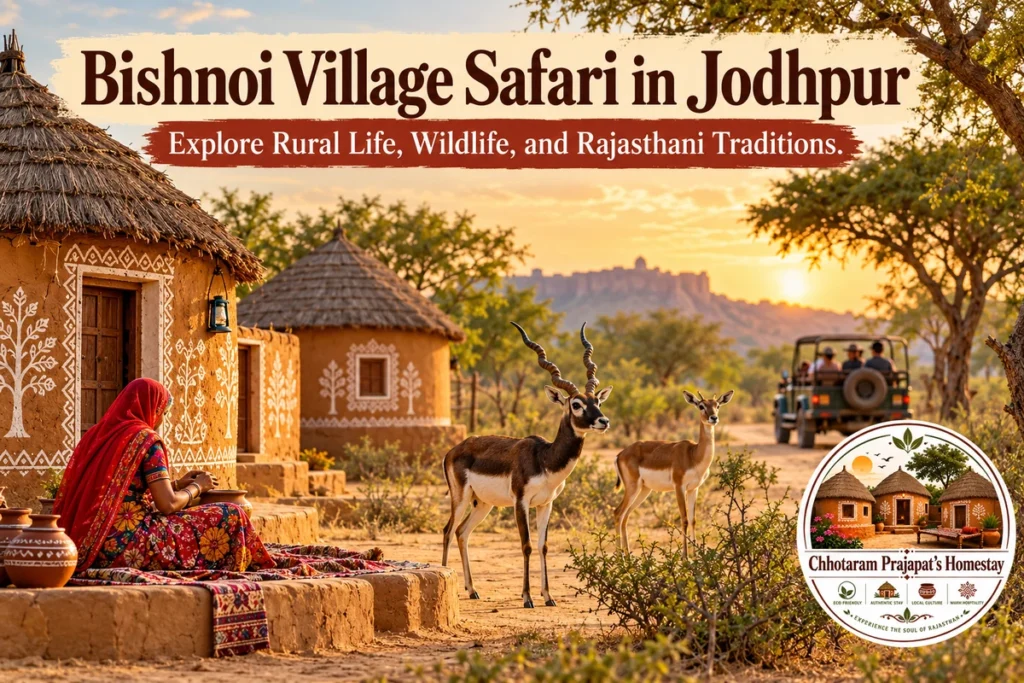
During a guided Bishnoi Village Safari, travellers may visit rural settlements, observe agricultural activities, and learn about the community’s relationship with nature.
Areas around Guda Bishnoi Village are associated with wildlife such as blackbucks, chinkaras, and several bird species.
Wildlife encounters are never guaranteed, but the landscapes themselves provide an interesting perspective on Rajasthan’s natural environment.
For visitors interested in nature and culture, these village experiences demonstrate how conservation can be closely connected to local traditions.
Taste Authentic Rajasthani Food in a Village Home
Food is one of the most meaningful ways to experience a destination’s culture.
While restaurants in central Jodhpur serve numerous regional dishes, enjoying a meal in a village home offers a different perspective on Rajasthani cooking.
Traditional recipes often reflect the climate, agricultural practices, and locally available ingredients.
Some dishes worth trying include:
- Bajra Roti: A traditional pearl millet flatbread, commonly eaten with vegetables, ghee, or other accompaniments.
- Ker Sangri: A regional preparation made from desert berries and beans, usually cooked with spices.
- Gatte Ki Sabzi: Gram flour dumplings prepared in a spiced gravy.
- Dal Baati Churma: A well-known Rajasthani combination of baked wheat baati, lentils, and sweet churma.
- Chaas: A refreshing buttermilk drink commonly enjoyed with meals.
Village food is often prepared using family recipes that have been passed down through generations.
At Chhotaram Prajapat’s Homestay in Salawas, guests can experience traditional vegetarian home cooking prepared by the host family. Cooking sessions are also available for travellers interested in learning regional recipes.
Sharing a home-cooked meal creates opportunities for conversation and cultural exchange that are difficult to experience during a rushed sightseeing tour.
Stay in a Traditional Village Homestay Near Jodhpur
Accommodation can influence how travellers experience rural Rajasthan.
Staying in central Jodhpur offers convenient access to the city’s famous attractions, but spending a night in a countryside homestay allows visitors to experience a quieter environment.
A village stay provides opportunities to observe daily routines, interact with local families, and enjoy traditional hospitality.
For travellers looking for the Best home stay in Jodhpur, Chhotaram Prajapat’s Homestay in Salawas offers an alternative to conventional hotel accommodation.
Established in 2009, this family-run property provides accommodation in traditional-style mud huts, home-cooked Rajasthani meals, and opportunities to explore village culture.
The Prajapat family has a background in dhurrie weaving and introduces guests to local artisan traditions.
Visitors can also enquire about village walks, cooking experiences, and guided safaris.
Such a stay can be particularly appealing to international travellers who want to understand everyday life in Rajasthan rather than experience only its major tourist attractions.
How to Plan a Rural Jodhpur Travel Experience
Exploring villages near Jodhpur does not necessarily require several days. Travellers can arrange a half-day excursion or dedicate an overnight stay to the countryside.
Suggested One-Day Rural Jodhpur Itinerary
Morning: Travel from Jodhpur towards Salawas Village. Visit a traditional weaving workshop and learn about the process of making handmade dhurries.
Late Morning: Explore a local pottery workshop or take a guided village walk to understand rural occupations and everyday life.
Afternoon: Enjoy a home-cooked Rajasthani lunch and learn about the ingredients and cooking traditions of the region.
Late Afternoon: Depending on the route and arrangements, explore nearby Bishnoi settlements or enjoy a countryside walk.
Evening: Return to Jodhpur or stay overnight in a village homestay for a more relaxed experience.
The exact itinerary should be discussed with a local guide because distances, workshop availability, and village activities may vary.
Best Time to Explore Rural Jodhpur
October to March is generally the most comfortable period for village tourism in Jodhpur.
During these months, cooler temperatures make walking, wildlife observation, and outdoor activities more enjoyable.
April to June can be extremely hot, particularly during the afternoon. Travellers visiting in summer should plan their outdoor activities for early morning.
Comfortable footwear, breathable clothing, sunscreen, drinking water, and a hat are useful throughout most of the year.
A private vehicle or guided village tour is generally more convenient than relying on public transport when visiting multiple rural locations.
Travel Responsibly and Respect Local Communities
Rural tourism is most rewarding when visitors respect the people and environments they encounter.
Always ask permission before photographing villagers, homes, or workshop activities.
Avoid interrupting artisans while they are working, and never pressure residents to participate in conversations or photographs.
When purchasing handicrafts, recognise the time and labour involved in handmade production.
Travellers should also avoid disturbing wildlife, littering, or entering agricultural fields without permission.
Responsible travel helps ensure that tourism benefits local communities while respecting their everyday lives.
Final Thoughts: Discover a Different Side of Jodhpur
Jodhpur’s forts and historic streets tell the story of Rajasthan’s royal past, but its surrounding villages reveal the traditions that continue to shape the region today.
From observing dhurrie weaving in Salawas to discovering traditional pottery, enjoying home-cooked meals, and learning about Bishnoi conservation practices, rural Jodhpur offers experiences rooted in local culture.
For travellers planning a Jodhpur itinerary, setting aside time for nearby villages provides a broader understanding of the destination.
Sometimes, the most memorable part of visiting Rajasthan is not a famous monument but an ordinary afternoon spent learning from the people who call it home.